
Mastering the 8 Dimensions of Wellness: Your Ultimate Guide to a Balanced Life
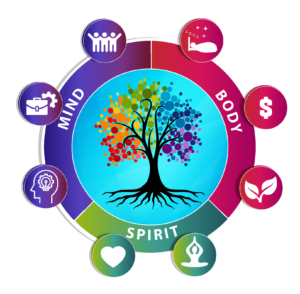
True well-being is much more than the absence of illness or a daily trip to the gym. It is a dynamic, lifelong process of making choices that lead to a more successful and fulfilling existence. To achieve this, modern health experts look to a holistic framework known as the 8 dimensions of wellness.
Because these dimensions are deeply interconnected, a imbalance in one area frequently ripples into the others. By understanding and nurturing each pillar, you can cultivate true lifestyle harmony, boost your mental resilience, and unlock your full personal potential.
1. Physical Wellness: Caring for Your Biological Engine
Physical wellness forms the foundation of your daily vitality. It encompasses your behaviors, lifestyle choices, and the proactive maintenance of your body.
-
- Move naturally: Aim for at least 150 minutes of moderate aerobic activity per week, pairing it with regular strength training.
- Prioritize sleep hygiene: Protect a consistent sleep schedule to allow your brain to clear cellular waste and reset your nervous system.
- Fuel intentionally: Focus on whole, nutrient-dense foods that stabilize your blood sugar and provide sustained energy throughout the day.
2. Emotional Wellness: Navigating Your Inner Landscape
Emotional wellness involves understanding, accepting, and successfully managing your feelings. It dictates how you handle stress, adapt to change, and navigate life’s inevitable challenges.
-
- Practice mindfulness: Build a habit of observing your thoughts and emotional triggers without immediate judgment.
- Express authentically: Find safe, constructive outlets for your emotions, such as journaling, creative arts, or talking to a trusted therapist.
- Cultivate optimism: Shift your focus from what is going wrong to what is going right by practicing daily gratitude.
3. Intellectual Wellness: Expanding Your Cognitive Horizons
Intellectual wellness encourages creative, stimulating mental activities. It is fueled by curiosity, critical thinking, and a commitment to lifelong learning.
-
- Read broadly: Explore books, documentaries, and long-form articles outside your usual scope of interest.
- Learn a new skill: Pick up a new language, instrument, or technical skill to stimulate neuroplasticity.
- Engage in debate: Discuss complex topics with others to challenge your existing biases and sharpen your worldview.
4. Social Wellness: Building Meaningful Connections
Social wellness is about creating and maintaining a healthy support network. It relies on a strong sense of connection, belonging, and a well-developed system of mutual respect.
-
- Practice active listening: Show up fully in your conversations by putting away digital distractions and listening to understand.
- Establish boundaries: Protect your energy by learning how and when to say no to demands that compromise your well-being.
- Engage in community: Join local clubs, volunteer organizations, or interest groups to connect with like-minded individuals.
5. Spiritual Wellness: Aligning with Meaning and Purpose
Spiritual wellness involves seeking meaning and purpose in human existence. It can be developed through a structured religion, a personal philosophy, or a deep relationship with nature and the universe.
-
- Clarify your values: Identify your core ethical pillars and audit your daily schedule to ensure your actions reflect them.
- Reflect daily: Dedicate time each morning or evening to quiet meditation, prayer, or silent contemplation.
- Spend time in nature: Unplug from technology and immerse yourself in natural environments to gain perspective on life’s bigger picture.
6. Occupational Wellness: Finding Fulfillment in Your Labor
Occupational wellness is the personal satisfaction and enrichment you derive from your work. It balances your professional ambitions with personal leisure to prevent burnout.
-
- Seek alignment: Look for career opportunities that utilize your unique talents, strengths, and personal values.
- Set workplace boundaries: Create a clear separation between your work hours and your personal life to protect your mental health.
- Foster collaboration: Build positive, respectful relationships with your colleagues and mentors.
7. Financial Wellness: Establishing Security and Peace of Mind
Financial wellness involves the process of learning to successfully manage your financial resources. Your financial health directly impacts your stress levels and your ability to make free choices.
-
- Track expenses: Maintain a clear, realistic budget to track where your money goes every month.
- Build an emergency fund: Aim to save three to six months’ worth of living expenses to cushion against unexpected life events.
- Invest in education: Read financial literacy books to understand the basics of debt management, investing, and retirement planning.
8. Environmental Wellness: Cultivating Harmony with Your Surroundings
Environmental wellness involves living in harmony with your immediate environment and the planet at large. Your physical surroundings deeply influence how you think, feel, and behave.
-
- Declutter your space: Keep your home and workspace organized to reduce cognitive load and anxiety.
- Reduce your footprint: Practice sustainable habits like recycling, reducing single-use plastics, and conserving water.
- Optimize your habitat: Maximize your exposure to natural sunlight and fresh air throughout the day.
The Wellness Ecosystem: How the Dimensions Interact
To see how these dimensions depend on one another, take a look at the domino effect of a single stressor:
[Financial Stress] ──> [Disrupts Sleep] ──> [Lowers Focus] ──> [Hurts Work Performance]
 (Financial)             (Physical)           (Intellectual)         (Occupational)
Because these areas are interconnected, you do not need to perfect all eight at once. Instead, making a small improvement in one dimension naturally elevates the others.
Key Takeaways for Holistic Growth
- Assess honestly: Take a moment to evaluate which dimension is currently your strongest and which one is being neglected.
- Start micro: Do not try to overhaul your entire lifestyle overnight. Pick one tiny habit—like drinking more water or tracking your spending—and master it first.
- Embrace seasons: Recognize that your focus will naturally shift depending on your stage of life. The goal is long-term harmony, not daily perfection.


